You adapt, and a new ‘normal’ sets in. This is actually a good thing! Your strength and resilience allow you to adapt, but over time, you may not realize that the “new normal” has caused your world to shrink.
The things you used to do with ease start to feel heavier, so you make what feel like reasonable adjustments:
If getting up and down the stairs is harder, you may make fewer trips out of the apartment.
If crowded city streets make it difficult to get around, you may choose the bodega on the corner instead of the grocery store you really like.
If hand arthritis makes the can opener difficult to use, you may skip cooking your favorite meal.
And some limitations can feel even more difficult to talk about, especially when it comes to things like managing incontinence or changes in impulse control which make getting out and staying connected more difficult. But over time, those “reasonable” adjustments compound, and before you know it, you’ve denied yourself the things that make you feel most like you.
That’s the tricky part: the world doesn’t contract all at once; it shrinks one skipped outing at a time until one day, the radius of your life is much smaller than it used to be.
If any of that sounds familiar, you’re not alone, but I’m here to encourage you that there are ways to expand your world again. More often than not, the first step is opening up to accepting some help.
Resistance to using an assistive device or to having a companion come in, is one of the things I hear most when speaking with clients. Part of the resistance comes from a genuine belief that you don’t need the help; you’ve adapted so thoroughly that the changes feel normal, but to an outside observer (usually a loved one), the changes are remarkable or even distressing.
So what makes the resistance persist? In many cases, there’s an important emotional depth to this resistance that deserves to be recognized and respected: you may believe that the introduction of an assistive device will threaten your self-image and undermine your sense of security in how you live your life.
I say “self-image” on purpose because resistance to change is very rarely about vanity. Vanity is about how others see you. Self-image is about how you see yourself. It’s your sense of who you are, what you’re capable of, and what you value. When you have spent a lifetime being independent, capable, and self-reliant, accepting help can feel like a direct contradiction of that identity. Needing help can feel like failure. This is a deeply human response to a shift that touches something central to how you understand yourself.
There is not a one-size-fits-all approach to offering help and introducing assistance, and generally, it takes time, understanding, and meeting people where they are. I like to acknowledge that assistance is not an indicator of limitation or disability, but rather the key that unlocks independence. This is the paradox!
I hear this one often, and I understand the fear, but the opposite is true. Assistive devices and in-home support actually increase activity. Increased activity preserves or even improves function, strengthening the heart, the lungs, the brain, the skin, the kidneys, and nearly every other system in the body, so it’s assistance that keeps you moving. Aging is full of these small paradoxes.
These are real, and valid concerns that deserve to be taken seriously. What I can tell you from experience is that the people who felt most strongly that a caregiver would take over their home are often the same people who, over time, build a connection with a person they genuinely look forward to seeing, someone who knows how you take their coffee, notices when something is off, and knows what makes you laugh. Help, done right, should feel like having someone in your corner.
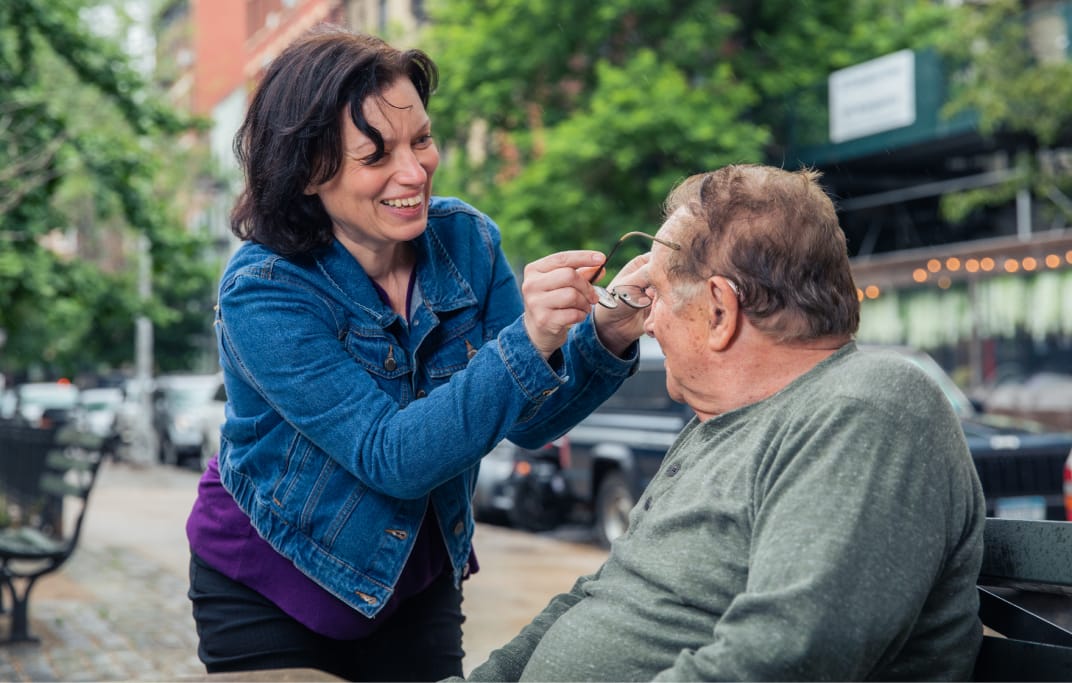
I truly understand this too. And many times, the people saying this are mostly correct, but here’s one thing to consider: waiting until a crisis forces the issue means starting from a harder place. Getting support while you’re still doing well means you stay doing well longer. You may feel frustrated or even resentful of help being put in place at first, but once the support is there, something shifts. Often people are surprised by the difference it makes. And listen, I get it. As someone who values independence and self-reliance, I sometimes struggle to ask for help myself, but when I do accept help, I’m always glad I did. I don’t want to put on my new reading glasses… but they do make reading easier. I didn’t realize how much I was straining to read until I tried them on.
With the right support, whether that’s a cane, a walker, or simply having someone by your side, your favorite places and activities become not only reachable but genuinely enjoyable again. That’s what assistance does. It gives your world back to you, improving function, cognition, and empowering you to enjoy your days.
If you (or someone you love) is feeling resistant to getting help; be gentle. Resistance comes from a good place and a lifetime of capability that’s shifting with age. And remember, support is not a fixed thing. It’s adjustable. It’s adaptable. It can be shaped to fit who you are, what you value, and how you want to live. Finding that fit, and refining it as needed is a big part of what we do at Duet & Harmony.
We’re here to help you feel more like yourself and expand the radius of your world.